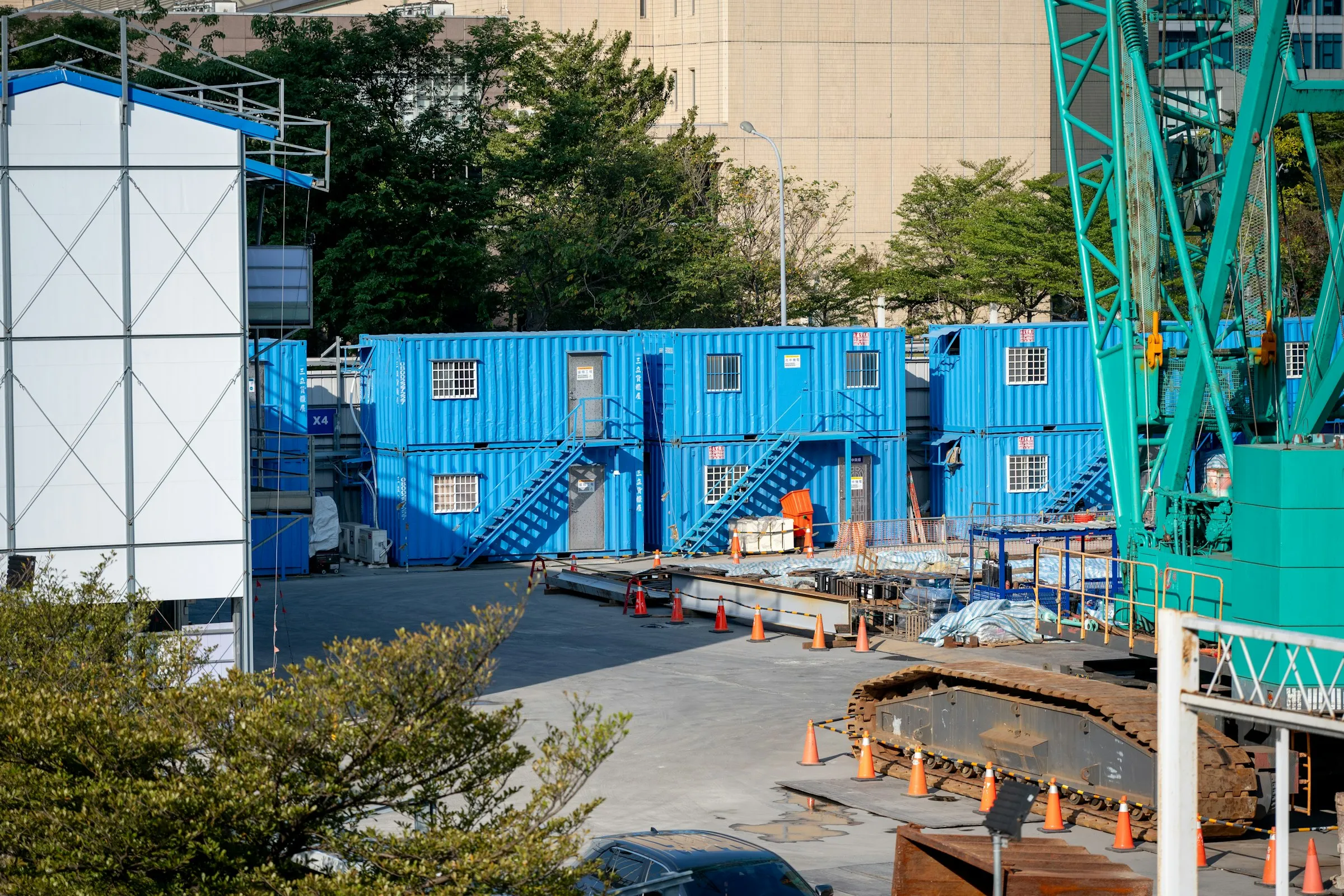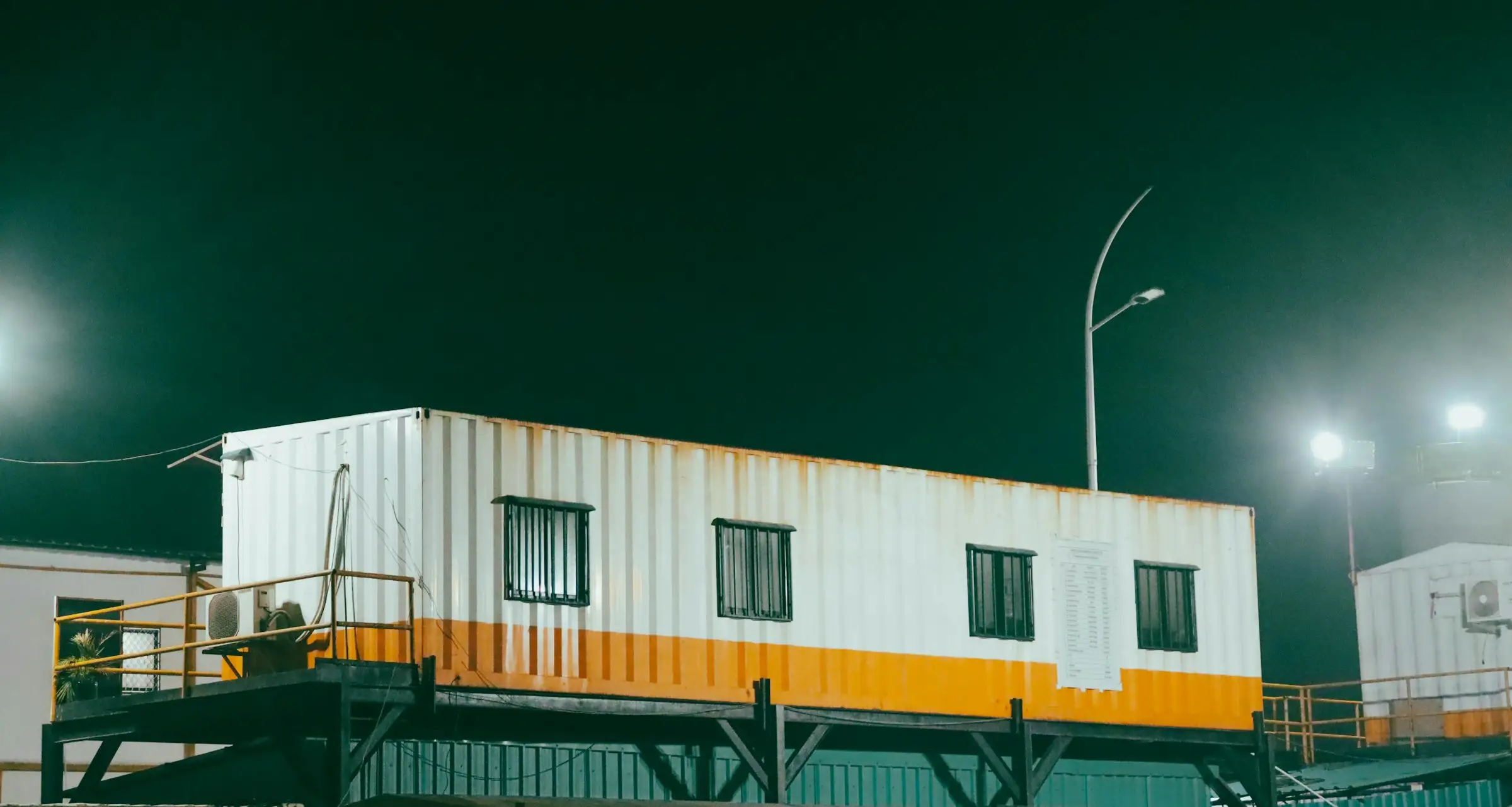
Choose a folding container house when speed and relocation matter most (about 10 minutes to unfold, 6 × 20 ft units per 40HQ). Choose an expandable house when you need a full home in one unit (a 20 ft unit opens to about 37 m²). Choose flat-pack modules for large, multi-storey camps (stackable to 3 floors, 4 units per 40HQ).
All three are factory-built steel-frame buildings that ship in standard containers — but they solve different problems. The right choice depends on how fast you need to be operational, how often you will move, and how many people the site must house.
The three types in one sentence each
- Folding container house — a complete house with frame, walls, windows, door and wiring installed at the factory. It folds flat for shipping and unfolds on site.
- Expandable container house — a container-sized unit whose side wings fold out to nearly triple the floor area. It is a full home in one piece.
- Flat-pack container house — a bolt-together kit (frame, panels, floor, roof) that ships flat and is assembled on site. Modules stack up to three storeys.
Side-by-side comparison
| Folding | Expandable | Flat-pack | |
|---|---|---|---|
| Arrives as | Finished unit, folded | Finished unit, wings closed | Kit of parts |
| Install time | About 10 minutes per unit | Within one working day | About 3 hours per unit (4 workers) |
| Typical floor area | 14.6 m² (20 ft), 29.3 m² (40 ft) | 37 m² (20 ft), 56 m² (30 ft), 74 m² (40 ft) | 18 m² per 20 ft module |
| Units per 40HQ | 6 × 20 ft or 3 × 40 ft | 2 × 20 ft, or 1 × 30/40 ft | 4 modules |
| Stacking | Single storey | Single storey | Up to 3 floors |
| Relocation | Fold and move again (designed for 20+ moves) | Close wings and move | Dismantle and re-assemble |
| Best for | Site offices, emergency housing, short projects | Homes, staff housing, holiday units | Large camps, dormitories, schools |
Figures are for our standard models; sizes, panels and layouts can be customised.
When a folding container house is the right choice
Pick folding units when time on site is the expensive part. Because the house is finished at the factory, installation is mostly lifting and locking: a small crane raises the roof, the walls swing up on galvanized hinges and the unit is ready in around ten minutes.
That makes folding houses a good fit for:
- Emergency and disaster relief, where shelter is needed within days;
- Site offices and guard rooms that follow a road, pipeline or rail project as it moves;
- Short-term events and pilot projects where you expect to relocate the units.
The trade-off: each unit is a single room, and folding houses are not designed to be stacked into multi-storey buildings.
When an expandable container house is the right choice
Pick expandable units when you want the most living space from a single delivery. A 20 ft expandable house ships at roughly container size, then its two side wings unfold to about 37 m² — enough for a one-bedroom home with bathroom and kitchen.
Typical uses:
- Staff and managers’ housing on mining or energy sites;
- Holiday homes, granny flats and glamping units;
- Small clinics or offices that need open floor space.
The trade-off: fewer units fit in each container (two 20 ft units per 40HQ), so freight cost per unit is higher than for flat-pack kits.
When a flat-pack container house is the right choice
Pick flat-pack modules when you are building at scale. Kits pack tightly — four complete modules per 40HQ — which keeps freight cost per bed low. On site, modules bolt together and stack up to three floors, and the same system covers dormitories, washrooms, canteens, offices and corridors.
Typical uses:
- Construction and EPC workers’ camps for hundreds of people;
- Mining accommodation and permanent remote-site villages;
- Schools, dormitories and clinics that may need to expand later.
The trade-off: assembly takes longer than unfolding (about three hours per module with a crew of four), so plan your installation crew and schedule.
Four questions that settle the choice
- How many people, and for how long? Under a few dozen people or under a year — folding units are usually simplest. Hundreds of people for several years — flat-pack modules.
- Will the buildings move? If they move with the work front, folding units relocate fastest.
- Do you need multi-storey buildings? Only flat-pack modules stack (up to three floors).
- Is floor area per unit the priority? Expandable houses give the most space per delivery.
Don’t forget the rest of the package
Whichever type you choose, ask your supplier to quote the full scope: panel type and thickness for your climate (EPS, rock wool or PU), electrical standard and plug type, bathroom and kitchen modules, stairs and walkways, foundations, and freight to your port or site. A complete quote avoids surprises when the containers arrive.
Not sure which mix fits your site? Send us your headcount, location and timeline — we will suggest a layout and quote within 24 hours.
Frequently asked questions
Which container house is the fastest to install?
The folding container house. It arrives fully built and unfolds in about 10 minutes with 2–4 workers and a small crane or forklift.
Which type gives the most floor area per unit?
The expandable container house. Its side wings fold out, so a 20 ft unit opens to about 37 m² and a 40 ft unit to about 74 m².
Which type is best for a 200-person workers' camp?
Usually flat-pack modules. They stack up to three floors, ship four units per 40HQ and can be combined with stairs, corridors, washrooms and canteens into one camp layout.
Can the three types be mixed on one site?
Yes. A common mix is flat-pack modules for dormitories, folding units for site offices that move with the work front, and expandable units for managers' housing.